

A Not So Artistic Process
In February, a five-inch drawing of a single right foot in soft red chalk will go on auction for an estimated $1.5 to $2 million. Presumed to be Michelangelo’s study for the Libyan Sibyl, it illustrates the meticulous initial process which would then lead to one of the greatest artistic feats of human history, the Sistine Chapel. This drawing is not only phenomenal due to Michelangelo’s eminence but more so because before he died, he burned thousands of his drawings so that “‘no one should perceive his labors and tentative efforts, that he might not appear less than perfect’” (NYTimes).
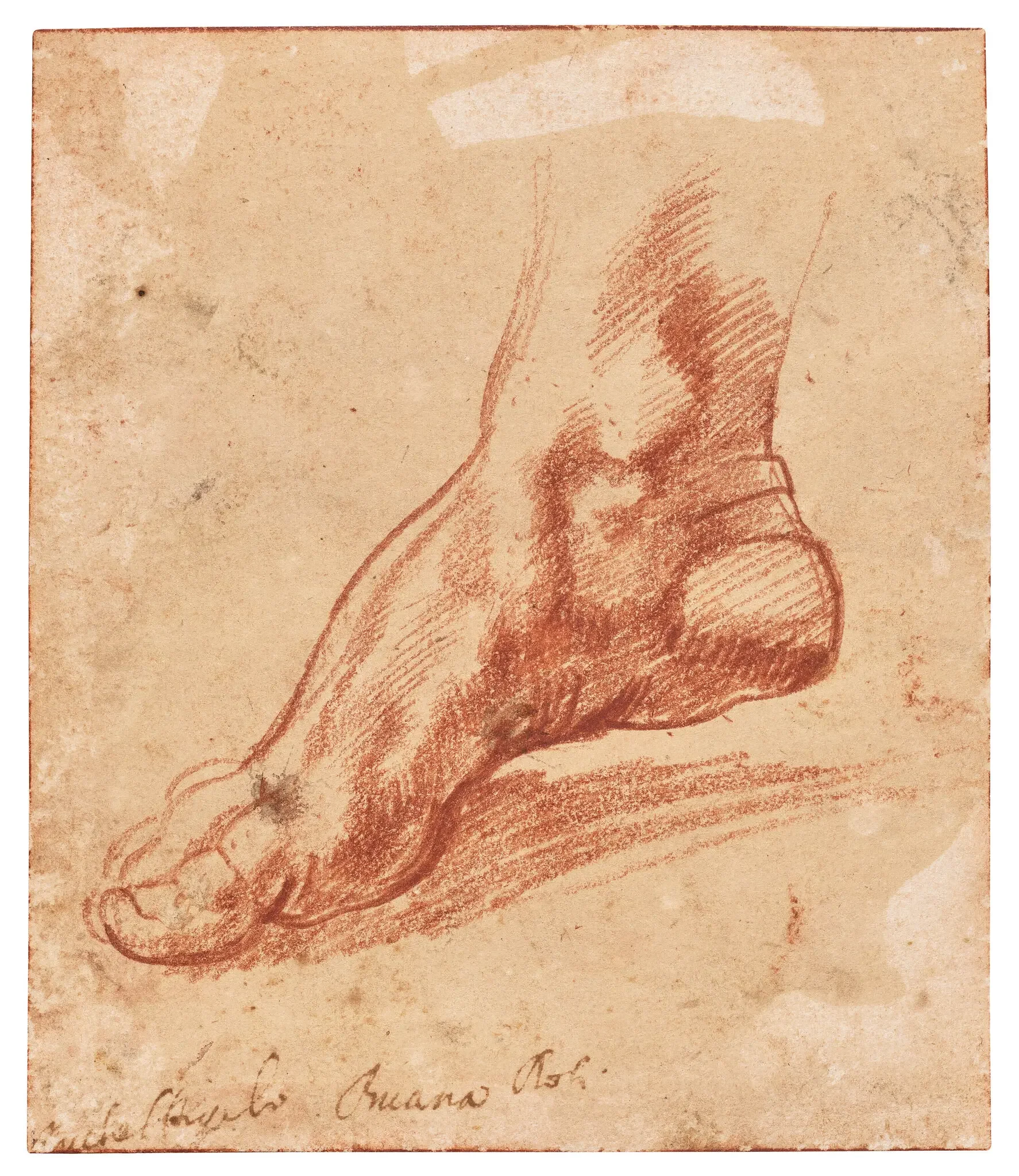
The Libyan Sibyl’s right foot from The New York Times
We value perfection. We see it in the Sistine Chapel, finished works under bright gallery lights, and beautifully bound books on NYTimes Best Seller lists. It often seems that only through an act of god are we granted such creative magnificence. But there is always the time before, the process, the labors and tentative efforts that propel us toward these greater things. While I value nothing more than dedication and an unwavering work ethic, I have never learned to honor the artistic process within myself: I erase and rip out the indecipherable sketches and grimace at my elementary ideas, always too hungry for quick, polished, and near perfect drawings.
A month ago, two friends and I started to embark on the Artist’s Way: A Spiritual Path to Higher Creativity. The author, Julia Cameron, promises that after her twelve week course, we are guaranteed transformations within our creative lives. I am taking her words to heart because as I watch the unfinished sketchbooks of failed starts begin to pile up on my desk, I know I need a change in how I approach my practice. Only four weeks in and the first and very valuable lesson I am learning is that the artistic process is actually far from artistic but more like a regimen.
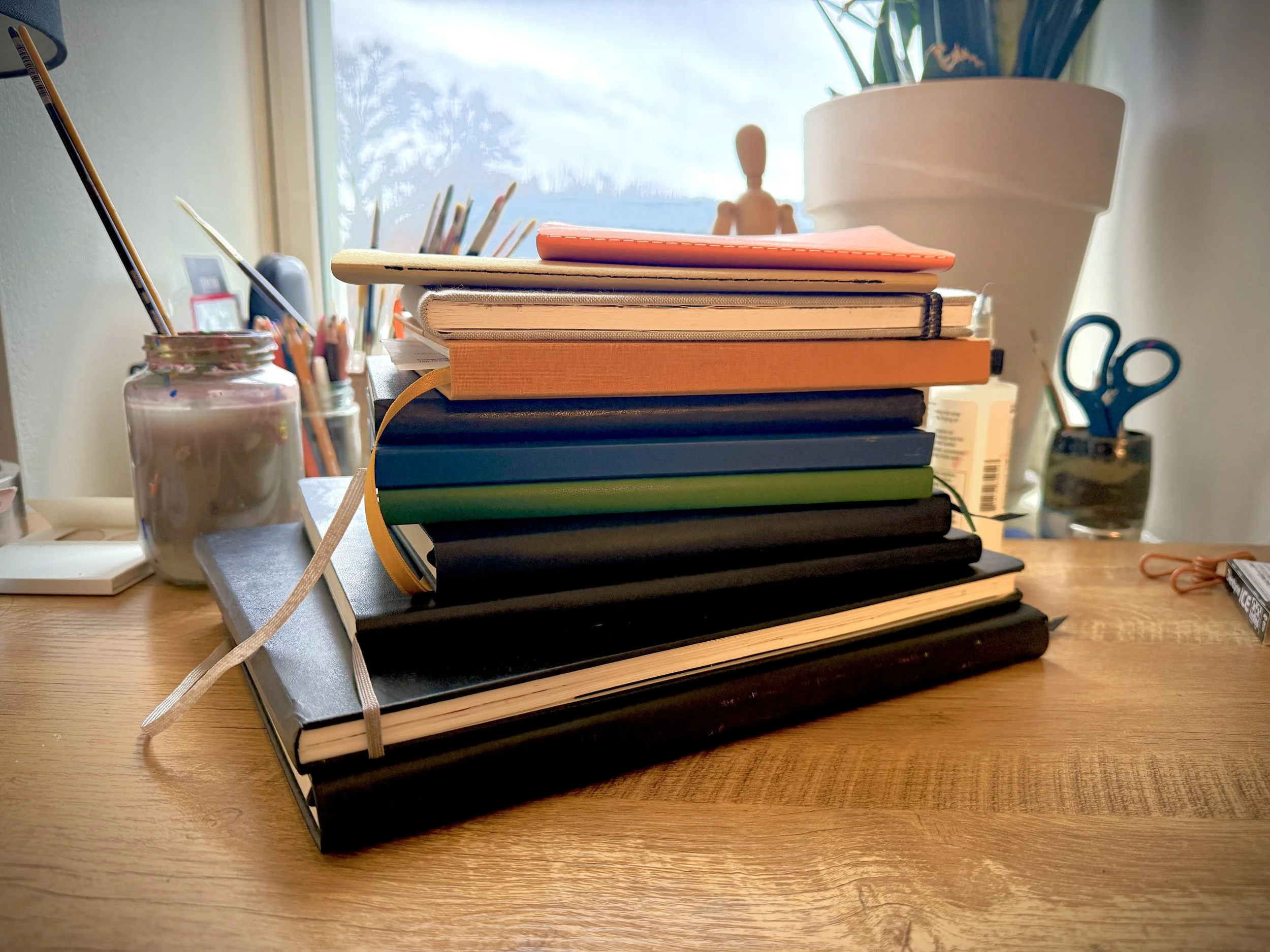
Moleskine, Leuchtturm, Karst, Talens, Purpurs, Hahnemuhle, etc…
The Artist’s Way is grounded in “morning pages,” three pages of writing or sketching every day and a weekly “artist date,” a solo outing to nurture our creative minds in any way shape or form. There are also additional tasks and writing prompts or activities we have coined as extra credit to not feel overwhelmed. In addition to the structure Julia provides, the three of us meet weekly on Zoom to discuss the chapter, share about our artist dates, reflect on our morning pages, and ultimately hold ourselves and each other accountable week to week. We laugh at the nature of our meetings as they so strongly resemble our high school English class.
There is something oddly special about holding this space with two friends who have known me for almost two decades. Julia encourages us to embrace our inner creative child, to recall the times we felt free in our creative expression, never striving for perfection, and before the times our parents, teachers, and colleagues began to minimize our greatest loves as mere hobbies and child’s play. These friends knew me when I was wild with creativity, constantly doodling patterns and spirals in my school planner and filling sketchbooks with uninhibited ideas for art class, painting and carving linoleum blocks until my fingers bled. To be in their presence is to conjure my younger self, unblocked and brimming with creative rage.
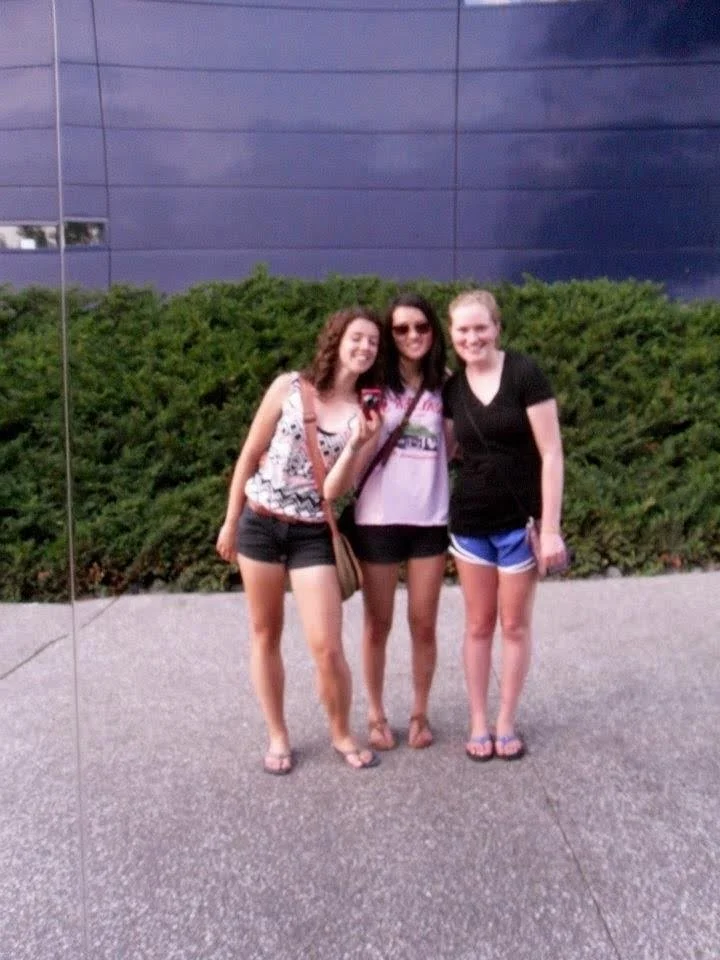
Selfies with my high school pals outside The Guthrie in Minneapolis, MN
Since beginning the Artist’s Way, I have been surprised to find that creative rage again, now in my morning pages. The difference is that I never show up to my notebook with the expectation that something great will appear, but simply because Julia told me to. Every morning I repeat her words in a mantra to myself: quantity over quality, quantity over quality, quantity over quality. There is a looseness and a freedom in not caring what I put on the page anymore: terrible writing and awful sketches of figures that should be people. There is nothing perfect or even artistic about this–the notebook would be grateful to never be flipped through again. But simply put, the perfection lies in the fact that the pages are being filled.
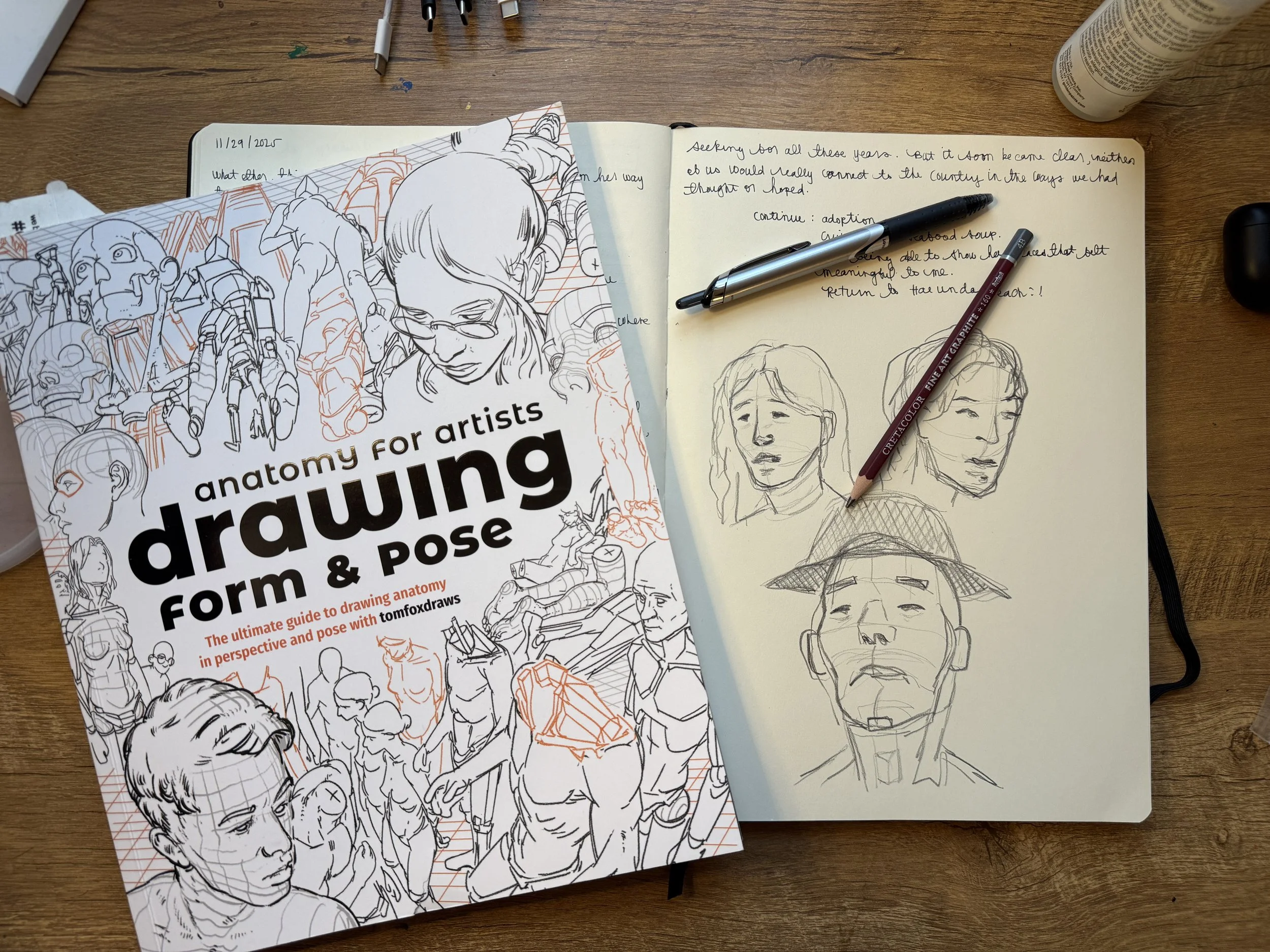
My morning pages routine
I used to think creative practice is something that always feeds the soul: finding romance in a rainy afternoon, playing soft classical music in the background while painting the melancholy that taps on the window. No. Creative practice and artistic process is work, and work I often don’t want to do. I can’t imagine Michelangelo loved the process of drawing every thousandth foot from every angle and position. Afterall, he burned the majority of them. But he kept drawing because he had to continue showing up for himself and for his practice. And through this single right foot he drew in soft red chalk, we can witness a love and dedication in an artist’s ultimate pursuit of perfection. I find it so wonderfully ironic that in all his efforts to be seen as perfect, Michelangelo only showed us how deeply beautiful it is to be human.
From the Notebook
In my August newsletter, I shared with you that my long term project is to write and illustrate a part memoir, part fictional narrative about my Korean mother. I have been using my morning pages to help propel this forward. I am focusing my time on studying the human form to eventually start building my own characters and researching Korean folktales and the symbology/lessons behind them. One of the most daunting tasks is figuring out a way to tell the parts I know of my Korean mother’s life with care and authenticity. To have her character live inside a folk tale feels the most appropriate because so much of her presence in my life has only felt mythical.
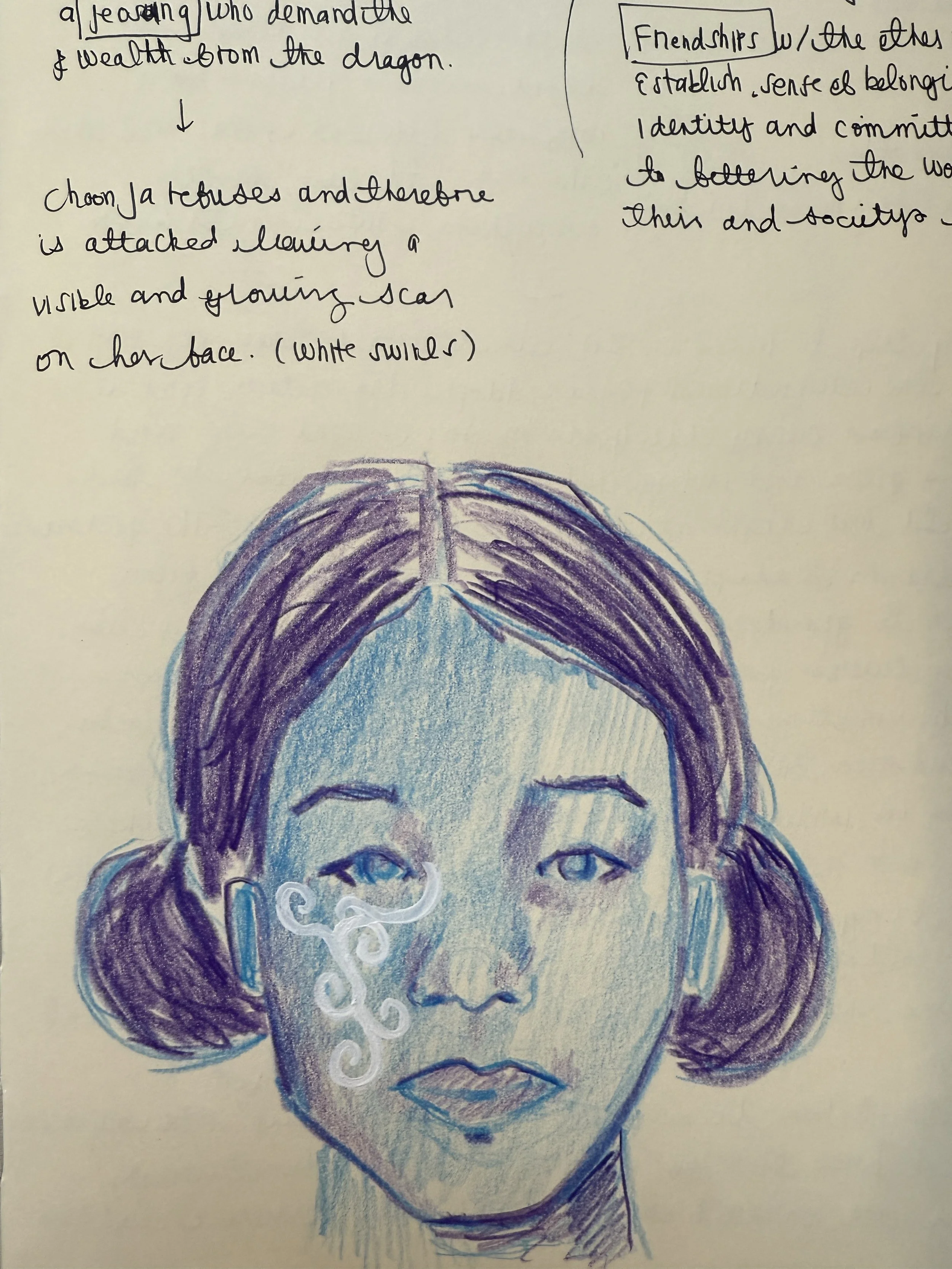
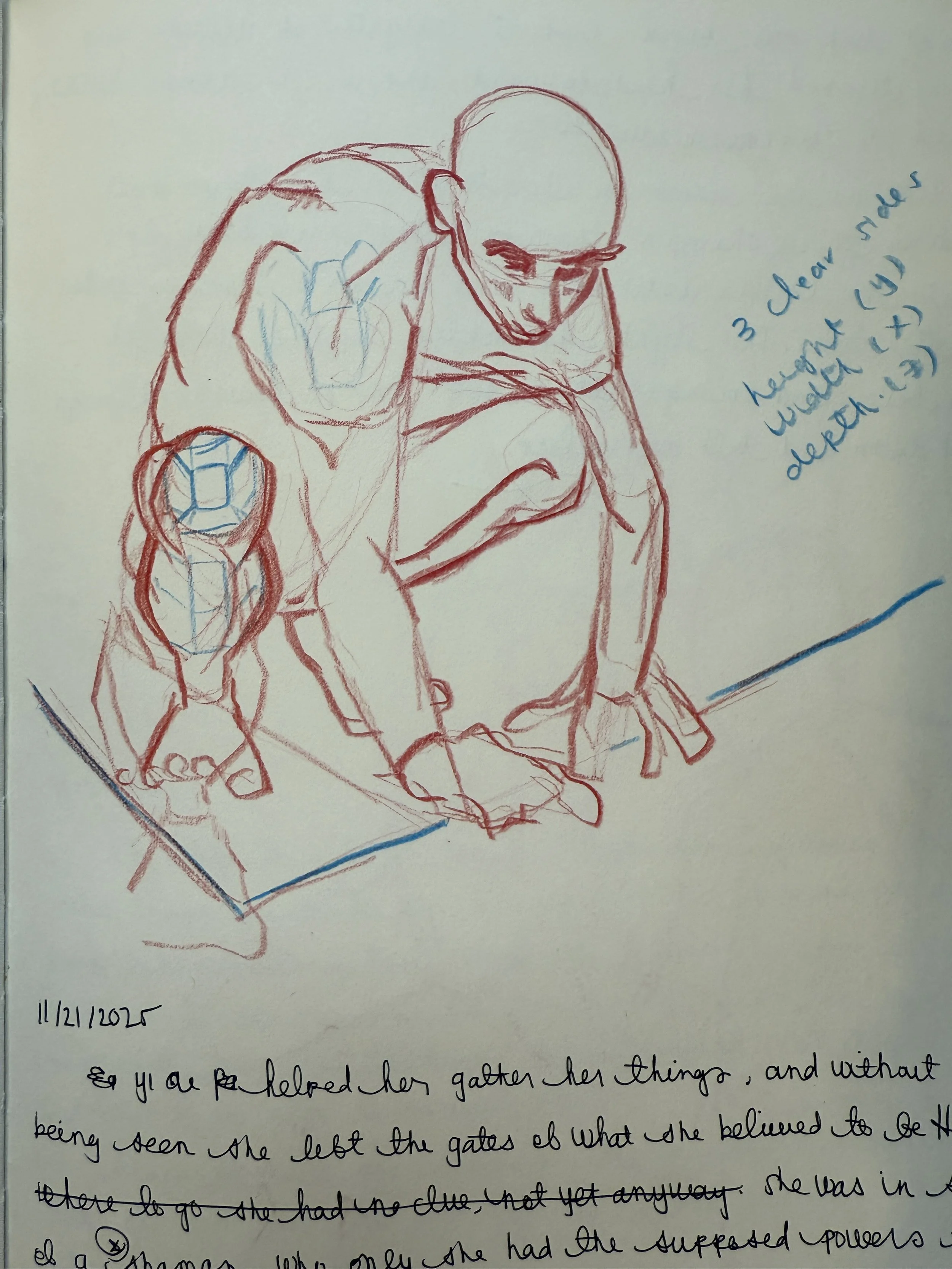
WIP
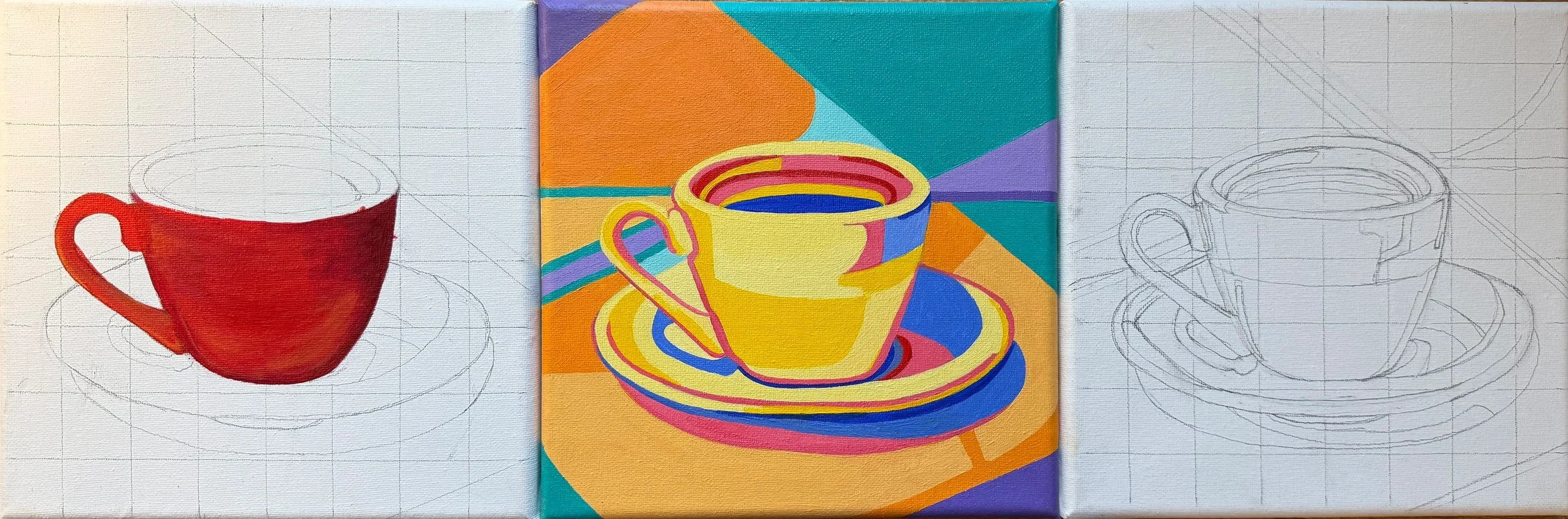
I’ve been painting little canvases for my final market of the year! This time around I’ve been finding more joy in creating diptychs and triptychs, using these as initial practice ideas for potentially more complex paintings in the future.

Media Musings
Life Kit: How to actually look forward to winter
If you’re like me, I dread winter deeply. I appreciated these short insights, however, into how to embrace and make the most of the cold days. My favorite mindset shifts were to find the beauty in intentionally lighting candles to warm the dark and embrace the slowness of the season to foster creativity.
Modern Love: The Love Poem Andrea Gibson Wrote for Their Widow…and for You
Admittedly, I did not know much about Andrea Gibson until I learned of their passing. I listened to this interview while throwing at the ceramics studio and had to stop myself from publicly crying. I plan to watch their documentary as well, Come See Me in the Good Light.
How to fix a typewriter and your life
I’ve been entertaining ways to sustain myself outside the traditional 9-5 and finding so much admiration and inspiration for those who actually pursue what they love. After a post-covid craving for analog technologies, this man not only found business success but genuine happiness after leaving a stable career to fix and sell typewriters. Is it luck, or savvy entrepreneurship, or simply the faith in oneself that life must be more than the status quo?
Upcoming!

Material Things Holiday Extravaganza! December 6, 4-9pm
50+ local artists selling art, records, vintage goods, pottery, textiles, florals, books, and more! DJ set by Fachada, food vendors, bar, bonfire, raffles, cookie contests and live pet portraits!